
The international scientific community concludes in Valencia that aging can be modified with timely action
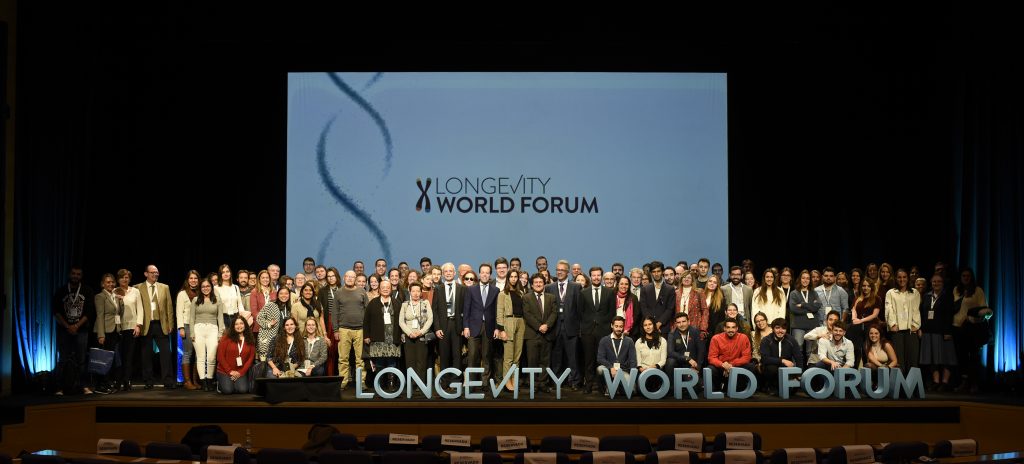
Lengthening healthy life and preventing functional depletion in old age require a multidisciplinary intervention and specific public policies. The second edition of the Longevity World Forum has also served to demonstrate that breakthroughs in life expectancy require engineering and technology.
Leading scientists claim that medicine should focus on the quality of life during old age
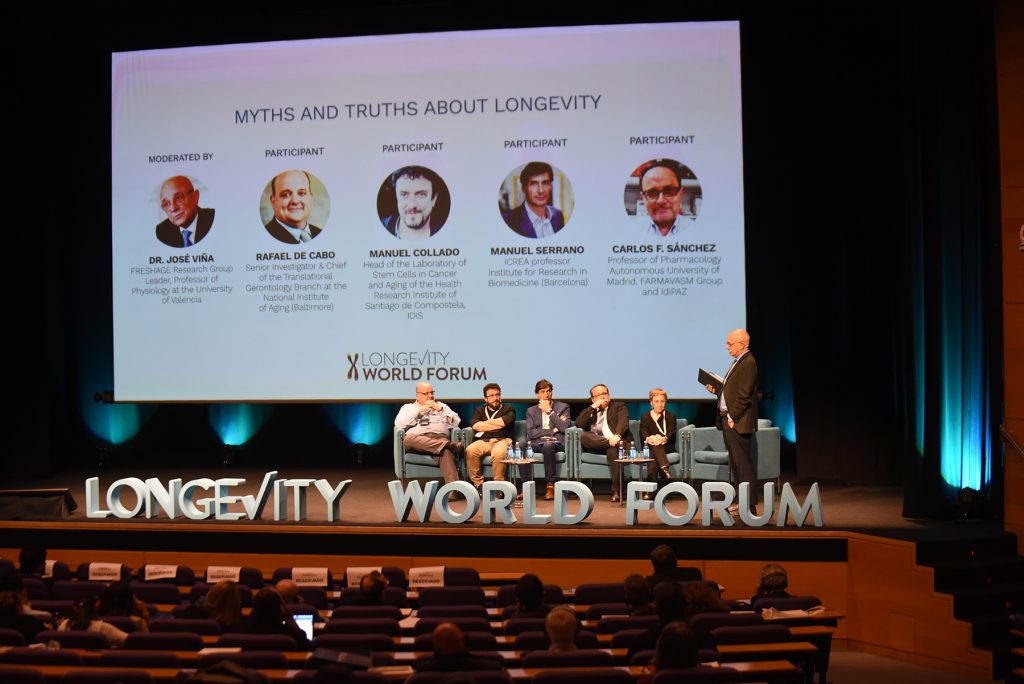
Calorie restriction and senescent cells have been two of the main subjects addressed on the second day of the Longevity World Forum. This international congress being held in Valencia comes to an end on Friday 15 November, with a consideration of the social and economic aspects of longevity.
The latest breakthroughs for a longer and better life expectancy are presented in Valencia on the occasion of the Longevity World Forum
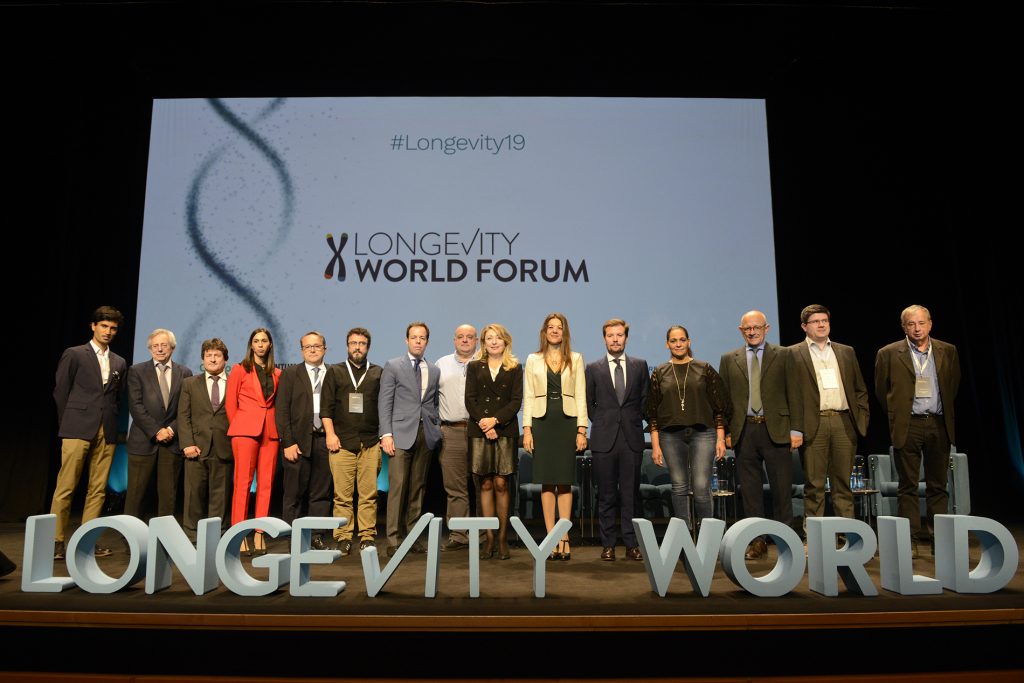
The central events of the pioneering congress in Europe on human longevity have been held at the Conference Centre on 14 and 15 November. The meeting has brought together eminent international professionals, such as Rafael de Cabo, Pura Muñoz and Manuel Collado.
Valencia is consolidated as the world scientific capital of healthy aging
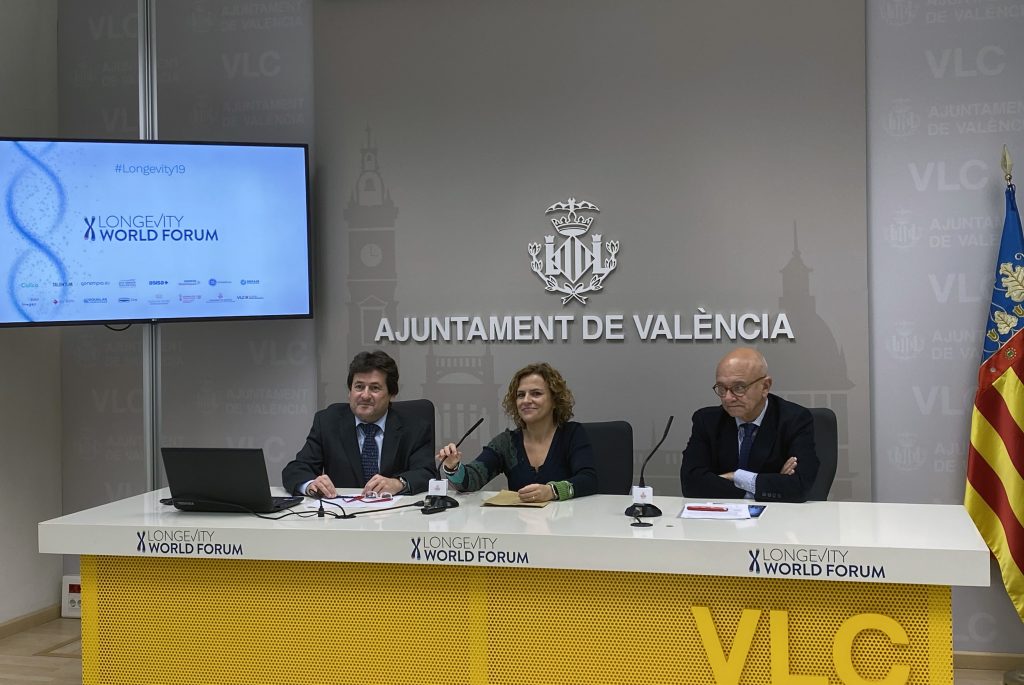
For the second year running, the city hosts the Longevity World Forum, one of the most important congresses in the world on longevity, on 13, 14 and 15 November. Eminent scientists such as Maria Blasco and Rafael de Cabo will be present at the event, which is backed by leading companies in the sector such as Google’s Calico.
40% of people over the age of 65 in Europe are affected by protein deficiency

Professor José Viña highlights nutrition as an “extraordinarily important” factor for healthy aging. This is one of the questions that Dr José Viña will examine in Valencia on 13, 14 and 15 November at the Longevity World Forum.
The researchers María Blasco and Manuel Collado will attend the Longevity World Forum to present the latest discoveries reached in Spain on delaying aging
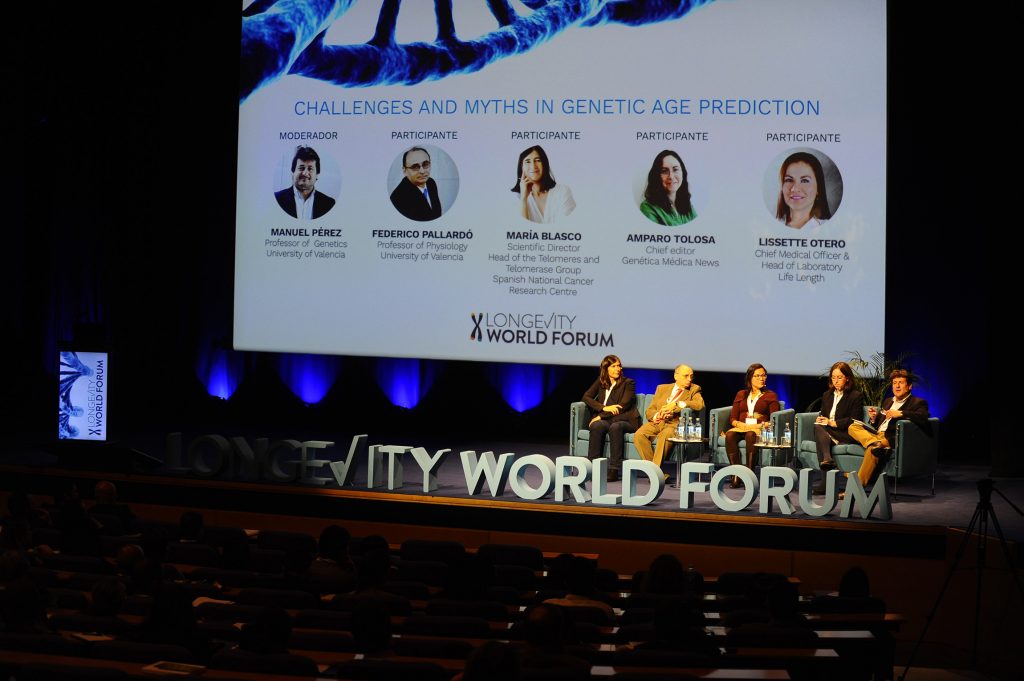
The director of the CNIO will talk about mouse models with non-genetically modified hyper-long telomeres. The IDIS researcher will explain how a derivative of Digitalis or foxglove selectively eliminates senescent cells.
Longevity World Forum completes its programme for 2019 with a symposium at the Príncipe Felipe Research Centre
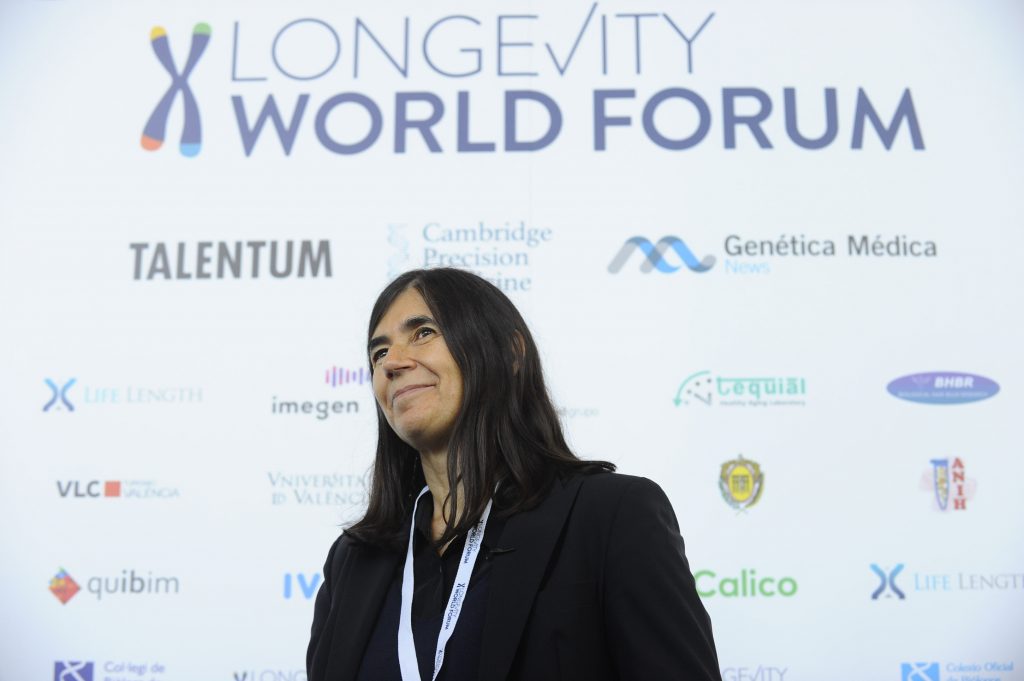
The doctors María Blasco and Pura Muñoz will be two of the speakers of this conference dedicated to aging and metabolism. The event will take place on Wednesday 13 November at the facilities of the Príncipe Felipe Research Centre.
Manuel Serrano: “I don’t know how to use the word immortality. I don’t see any point in talking about something so intangible”
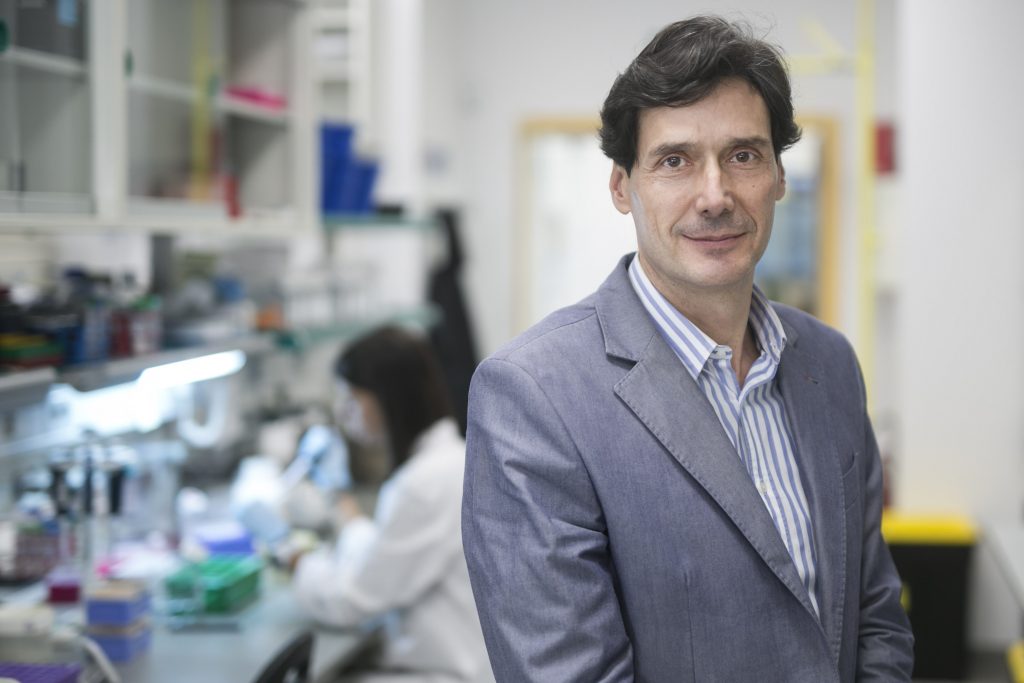
Manuel Serrano is internationally recognised in the field of tumour suppression. In addition to his discovery of the p16 gene, one of his most important discoveries has been the identification of cellular senescence as a main anti-oncogenic response. In this the second edition of Longevity World Forum, he will share his extensive experience, as well as the advances on which he is currently working at the Institute for Research in Biomedicine (IRB Barcelona).
Google’s Calico renews its support for the Longevity World Forum, Spain’s most important congress on ageing
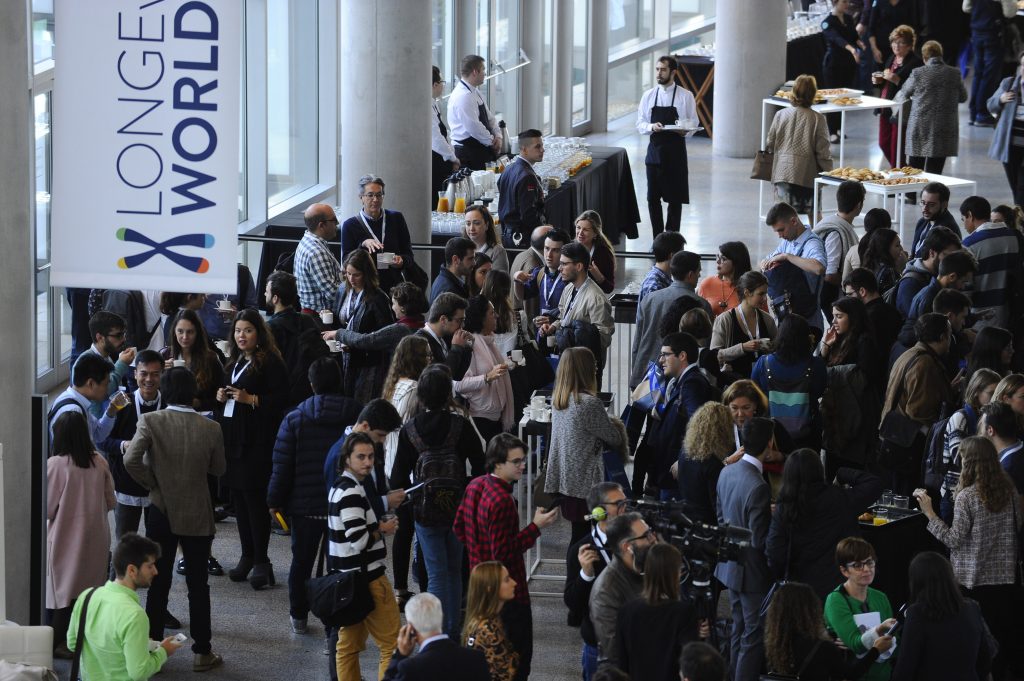
Google’s biotechnology company sponsors Europe’s pioneering congress on life expectancy and healthy ageing for the second year running.
Manuel Collado: “Our goal must be to reach an advanced age in a better state of health and to remain free of disease as long as possible”

Dr. Manuel Collado will be one of the speakers in the first session of #Longevity19, which will focus on will be one of the speakers in the first session of #Longevity19, which will focus on exploring longevity by presenting different research, from basic to applied, that is currently being carried out in this field. In this brief interview, he offers an insight to his perspective and to his work.