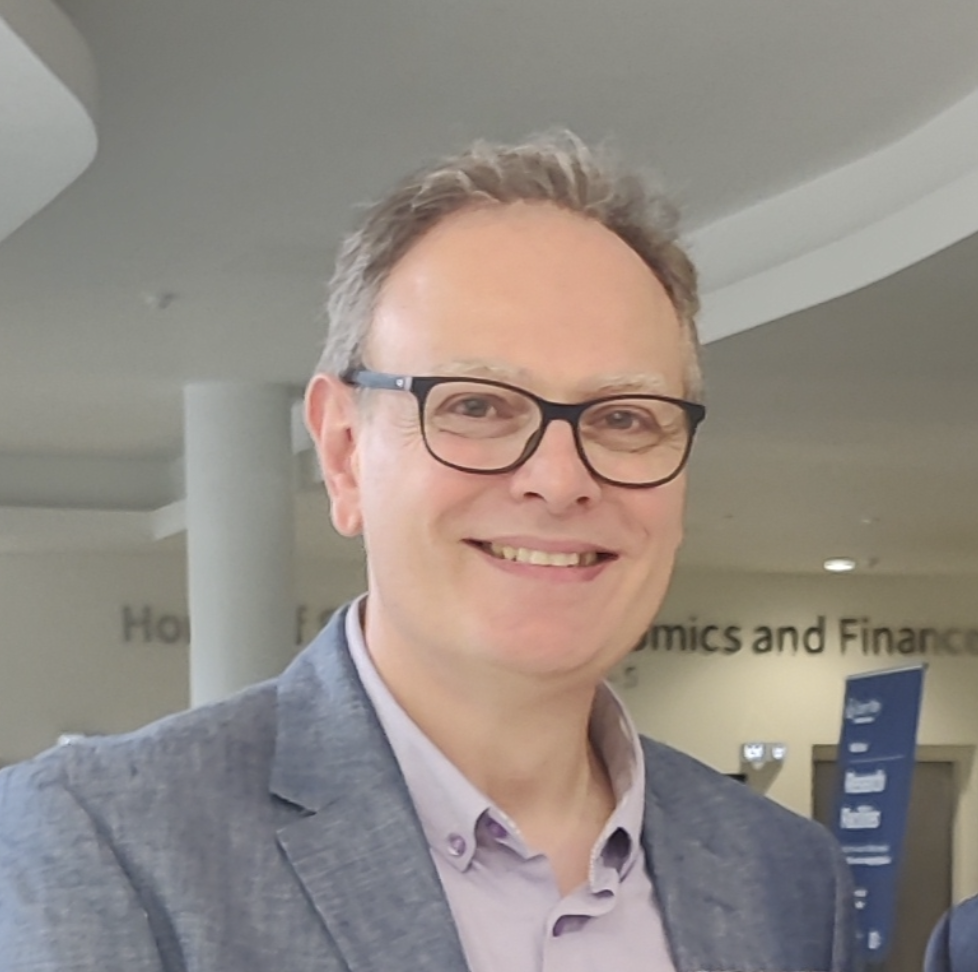
Researcher specialized in aging mechanisms, nutrient-sensitive pathways, and senescence.
After completing his PhD studies at the MRC National Institute for Medical Research, Babis conducted postdoctoral research at the CRUK Lincoln’s Inn Fields Laboratories. He later held a position as a Research Associate at the UCL Institute of Healthy Ageing, where he worked on nutrient-responsive pathways, ageing mechanisms, quiescence, and senescence.
Babis moved to the University of Essex in 2020, where he established his own independent research group. In September 2023, he joined Queen Mary University of London.
The Rallislab (www.rallislab.org) investigates gene and protein networks involved in cellular fitness and metabolism, neurodegeneration, cancer, and ageing, with a particular focus on the nutrient-responsive signalling pathway known as Target of Rapamycin (TOR).
In addition, the group performs quantitative fitness profiling of microbial strains, microbiomes, and mycobiomes, and explores the effects of nutrition on biome physiology and its consequences for healthy human ageing.
The group uses established and relevant cellular systems such as the fission yeast Schizosaccharomyces pombe and mammalian 2D and 3D tissue culture systems, including fibroblasts, cancer cell lines, and human dopaminergic or iPSC-derived motor neurons.